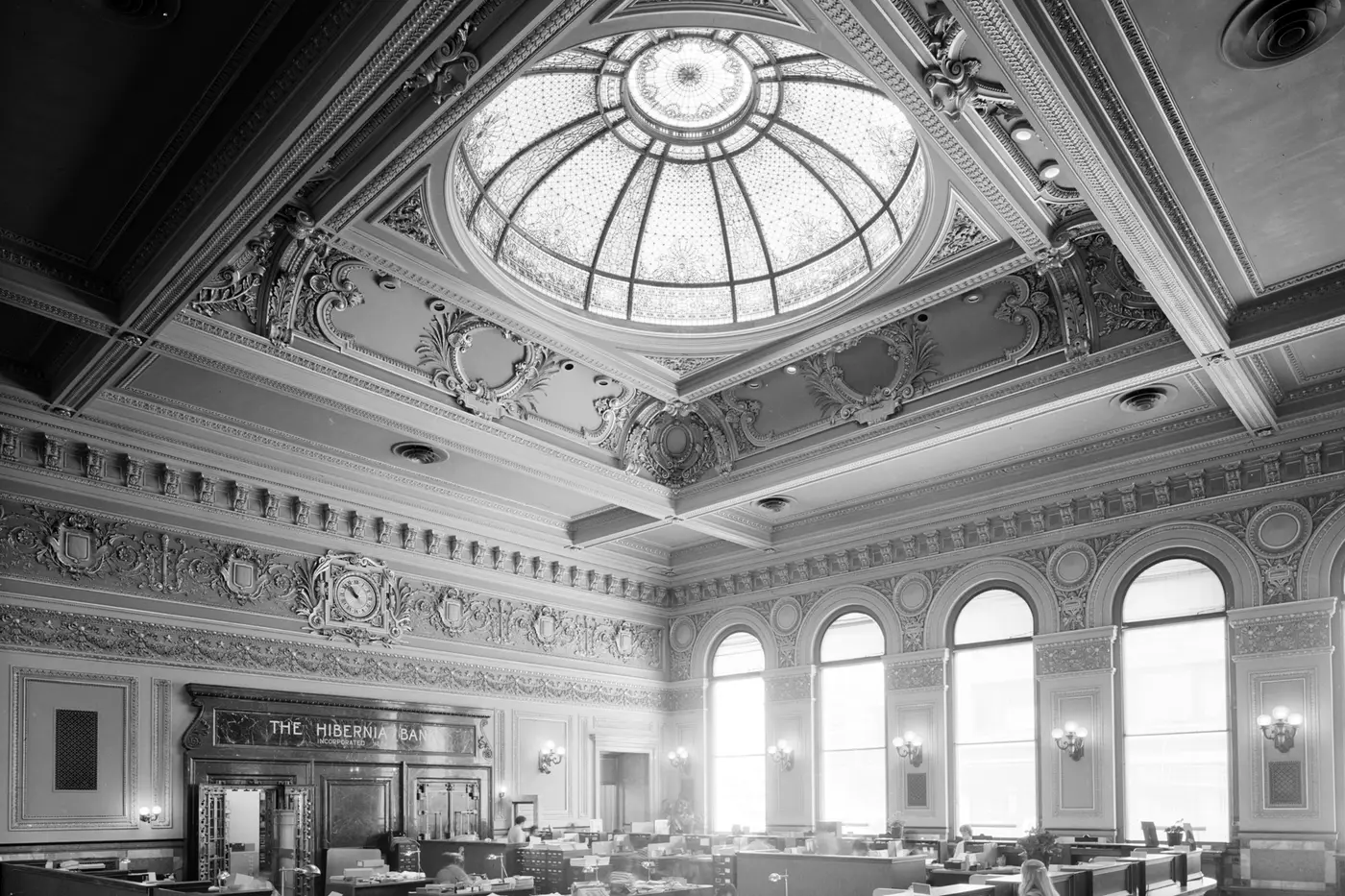
A well-built commercial building can stand for a century. Its structure is designed for that. Its roof, facade, lifts and plant renew on shorter cycles, typically somewhere between fifteen and forty years. Its fit-out turns over faster still.
Ownership often runs on a different clock. Funds have terms. Investors have hold periods. Managers have reporting cycles measured in quarters. A building may pass through several owners within a single cycle of its major systems.
The relay problem
When ownership is shorter than the building’s cycles, each owner holds a section of a relay. The question is what each passes on. An owner who renews the roof late in the hold gets little of its benefit. An owner who defers it can show stronger income and pass the problem to the next holder, at least until a buyer’s due diligence notices.
Markets are meant to price this, and to some extent they do. But pricing relies on information, and information about building condition is uneven and often prepared in a hurry at the point of sale. Much deferral is priced roughly or not at all.
What patience buys
Long-horizon owners, pension funds, sovereign capital, family offices, owner-occupiers, can align spending with the building’s own rhythm. They can replace a system near the right point in its life rather than at the last possible moment. They can sequence works so that each prepares the building for the next. They capture the full benefit of what they spend.
This connects to the macro argument earlier in the publication. If returns no longer come mainly from falling yields, as Forty Years of Cheap Money argues, they have to come from the building. Owners who understand their building’s cycles are better placed to earn them.
Cycles, not dates
Every building runs on several clocks at once. Fit-out may turn over every ten to fifteen years. Mechanical plant, lifts and switchboards commonly run twenty to thirty. Roofs and facade systems may run twenty-five to forty or more, depending on material and exposure. The structure runs for the life of the building. Service life planning, as set out in ISO 15686, treats these as overlapping cycles to be managed rather than dates to be waited for.
Patient capital is capital that plans across these cycles. It asks, at each point in the hold, which clocks are about to strike and whether acting slightly early, slightly late or together with another item gives the best result over the building’s life rather than over the next reporting period.
Holding periods against building clocks
The relay problem is easiest to see when typical holding periods are laid beside the building’s own clocks.
| Element or owner | Typical span (years) | What it means |
|---|---|---|
| Tenant fit-out | 10 to 15 | Turns over within most holds |
| Mechanical plant | 15 to 30 | One renewal falls in most holds, often near the end |
| Roof coverings | 15 to 40 | May or may not fall in a given hold |
| Facades and curtain walls | 30 to 60 | Rarely planned by the owner who faces them |
| Structure | 50 and more | Outlasts almost every owner |
| Closed-ended fund | Commonly 7 to 10 | Sees one or two of the building’s cycles at most |
| Owner-occupier, pension fund, family office | Often 20 or more | Can plan whole cycles and time renewals to the building |
Element spans from published service-life data and Moyne Ross practice; holding periods are typical, not universal.
The practical lesson is in the middle rows. A facade programme with a forty-year cycle is almost always decided by someone who did not commission the last one and will not own the building when the next is due. Without a record that carries the reasoning across owners, each one inherits the decision cold.
Planning beyond the hold
Even a short-term owner can borrow some of the benefits of patience. The method is to plan over the building’s horizon rather than the investment horizon. A ten-year view of capital, built item by item, shows what will fall due during the hold and immediately after it. That second part is what the next buyer will price, as What the Next Buyer Will Read explains.
A ten-year horizon is a practical compromise. It is long enough to cover a typical hold and the decade a buyer will think about, short enough to keep estimates meaningful.
The register as the baton
If ownership is a relay, the most useful thing to pass on is a clear record: what was done, what is due, what is uncertain. A building with a living capital record transfers its knowledge with its title. Without one, each owner starts from nothing and the building’s history is lost between sales.
That record is the subject of The Living Record. It is also the most practical form patient capital can take for an owner who will not hold forever.
Sources
Named sources consulted for this paper. Consequential claims link to their source in the text. Reviewed 3 November 2026; next review by 3 November 2027.
- ISO 15686-1, Buildings and constructed assets: Service life planning, Part 1, International Organization for Standardization. Accessed 3 November 2026.
- Royal Institution of Chartered Surveyors, RICS. Accessed 3 November 2026.
- Facility condition assessment, Appendix 4: nominal life expectancy for building components, Menlo Park Fire Protection District. Accessed 3 November 2026.
Questions
Why does a ten-year capital horizon suit most owners?
It covers a typical hold period and the years a buyer will consider, while remaining short enough for estimates of condition, timing and cost to stay meaningful.
Do short-term owners always defer maintenance?
No, but the incentive exists because costs fall within the hold and benefits often fall after it. Clear capital information and buyers who price it reduce that incentive.